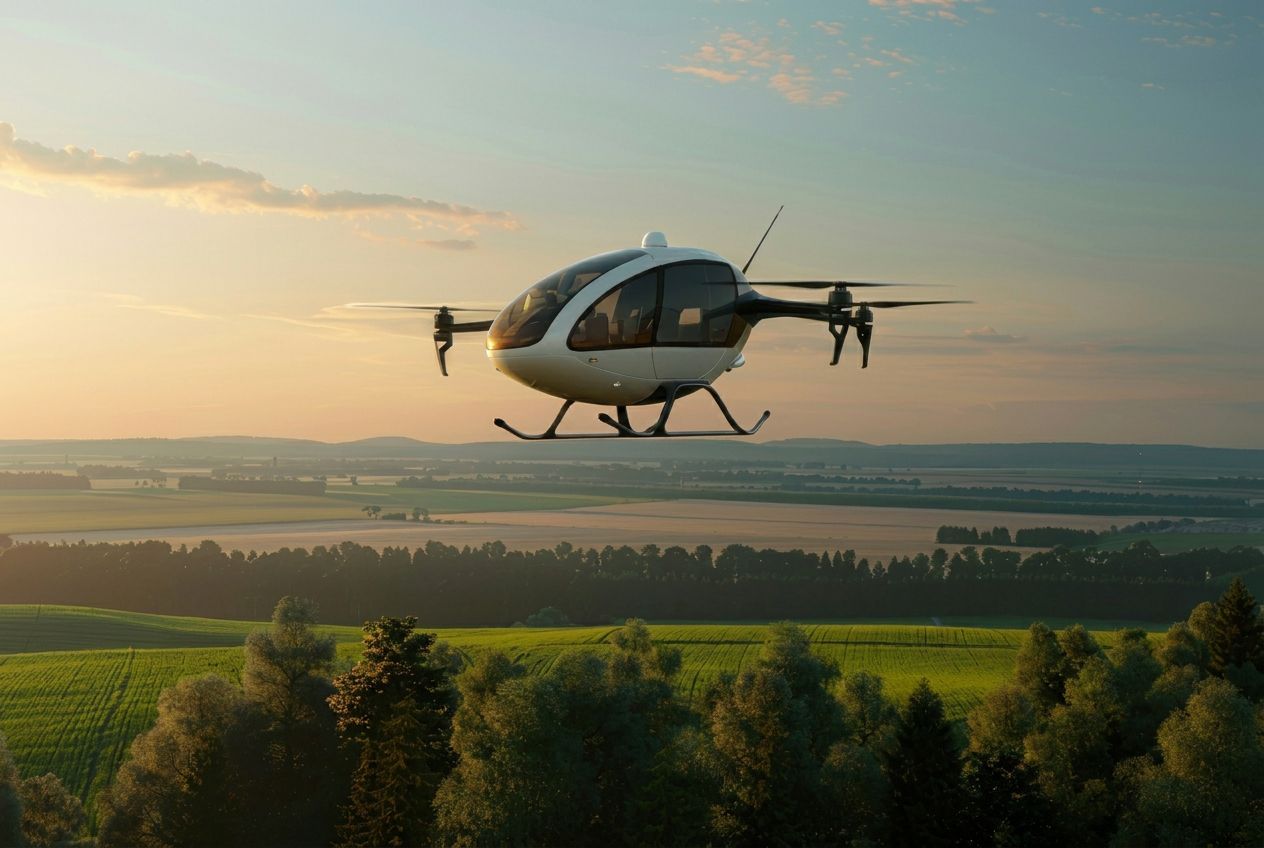
The advanced air mobility sector has long treated aircraft certification as its primary hurdle, with Archer and Joby targeting certification timelines of 2028 and 2026 respectively. However, Lisa Wright, founder of Landings, argues that vertiport infrastructure poses a more urgent and time-consuming constraint. Drawing a parallel to the electric vehicle industry, where charging infrastructure lagged behind vehicle production, Wright emphasizes that similar pitfalls await eVTOL deployment.
Vertiport development involves land agreements, community approvals, utility connections, and energy assessments, each requiring multi-year timelines. Wright notes, "All the focus was on the aircraft, which gave time to build the thesis and have conversations." The consequence is clear: even certified aircraft cannot commence commercial service without prepared landing sites. Developers assuming rapid infrastructure buildout are discovering lead times measured in years, not months.
Energy infrastructure is identified as the most underappreciated bottleneck, especially for rural or semi-rural locations. Grid connections to remote sites can take years, while off-grid solar and battery systems face procurement delays. To address this, some operators are exploring mobile charging units—trucks delivering on-demand power—as a temporary bridge. "Energy is still the real bottleneck," Wright says, noting that equipment timelines often exceed expectations. For operators targeting underserved areas, energy logistics become a primary design challenge.
Wright highlights the permanent advantage of early movers. "It’s actually very difficult and time-consuming to build infrastructure on the ground. Anybody who wants to start now is going to take years to catch up." With the FAA’s EIPP program launching operations soon, operators with secured location agreements and solved energy problems can offer manufacturers ready sites immediately. This dynamic creates a split between those who can move quickly and those starting from scratch, making a network of prepared landing sites a durable competitive position.
For property owners and communities, the calculus is straightforward: aircraft certification will eventually arrive, and service will flow to locations where infrastructure already exists. The infrastructure built now determines which communities gain access when commercial operations begin. Landings is building a network of 2,000+ rural vertiports through revenue-sharing partnerships, emphasizing an infrastructure-first approach.