Initial Public Offerings (IPOs) represent a significant opportunity for investors to buy shares in a company before it begins trading on a public exchange. For retail investors, however, participation has historically been limited to institutional investors and high-net-worth individuals. Recent changes, driven by digital platforms like SoFi (NASDAQ: SOFI), are democratizing access, allowing everyday investors to request shares in upcoming IPOs with no account minimums.
An IPO occurs when a private company sells shares to the public to raise capital. The company files a prospectus with the U.S. Securities and Exchange Commission (SEC), detailing its financial history, revenue, debt, risk factors, and use of proceeds. Underwriters, typically investment banks, help determine the offering price, number of shares, and timing. The company also chooses between listing on the New York Stock Exchange or Nasdaq, each with different standards.
Traditionally, IPO shares are allocated to institutional investors and insiders, often leaving retail investors with limited access. However, SoFi Securities, a member of FINRA and SIPC, now enables eligible members to browse upcoming offerings, review prospectuses, and submit Indications of Interest directly through its app. This levels the playing field, though demand often exceeds supply, and allocations may be smaller than requested.
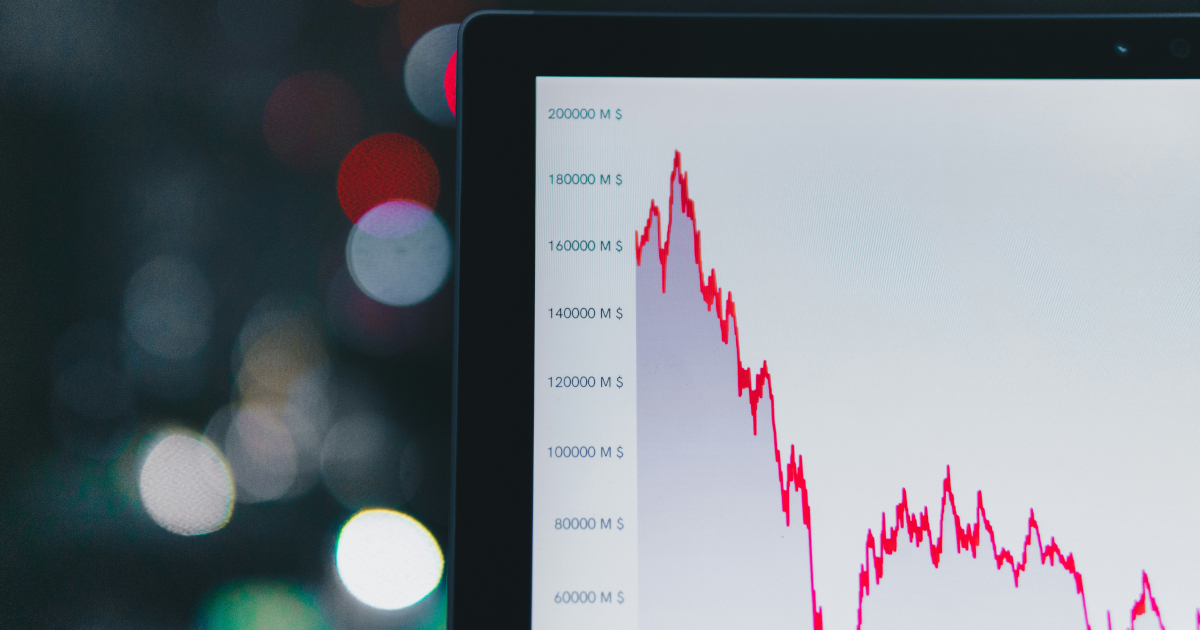
Investing in IPOs carries both potential rewards and significant risks. On the positive side, early access to innovative companies can lead to substantial gains if the stock appreciates. IPOs also provide liquidity, as shares trade on exchanges, and public companies must disclose financials, offering transparency. Conversely, IPOs are notoriously volatile, with prices subject to wild swings. Many companies fail to live up to hype, and lock-up periods (90–180 days) can trigger sell-offs when they expire. Limited operating history makes valuation challenging, and some IPOs trade at unsustainable valuations.
Due diligence is critical before investing. Investors should read the entire prospectus, focusing on the business model, revenue streams, competition, and risk factors. Comparing the company's valuation to peers helps gauge fair value. Understanding how the company plans to use IPO proceeds—whether for growth or insiders cashing out—is also essential.
For those interested, SoFi provides a gateway to participate. Learn more about IPO investing through SoFi Securities here. Remember, investments are not FDIC insured, not bank guaranteed, and may lose value. IPO investing involves substantial risk, including loss of principal. For a comprehensive discussion of risks, refer to SoFi Securities' IPO Risk Disclosure Statement. This content is for informational purposes only and does not constitute investment advice.