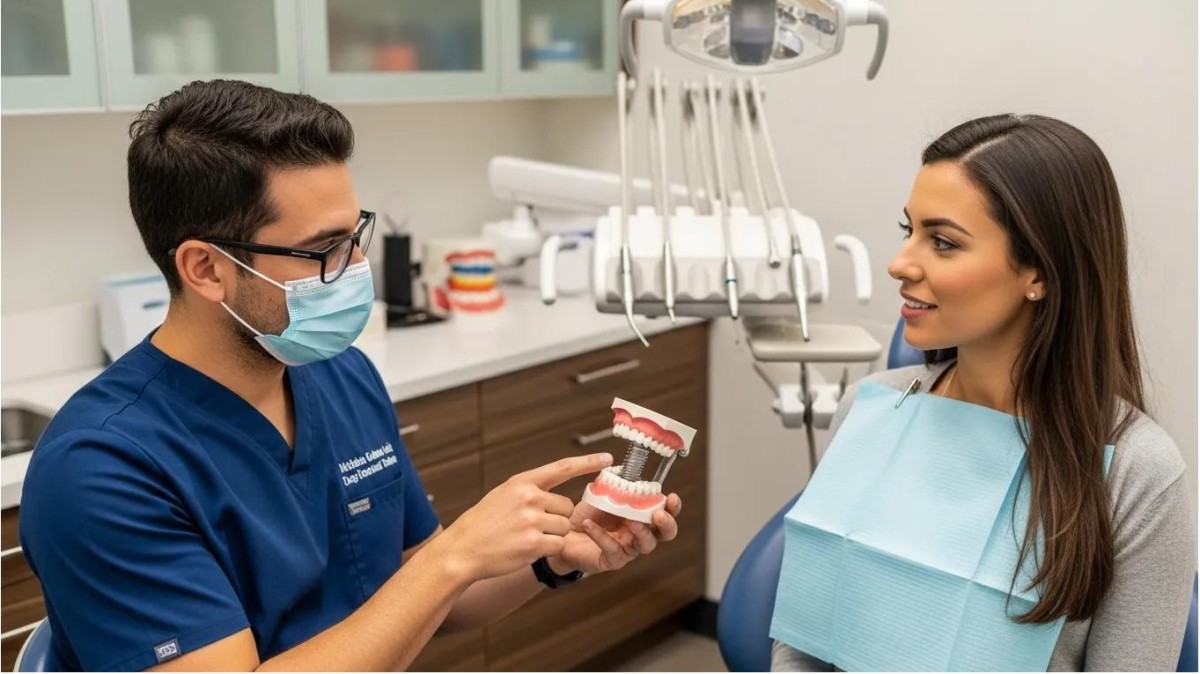
Missing teeth can affect confidence, communication, and eating habits, making dental implants a trusted solution for many. However, their high cost often deters patients. Recent reports in 2026 show that a single dental implant in the United States ranges from $3,000 to $6,000, while full-mouth procedures can exceed $90,000. Yet thousands of patients successfully lower these expenses through smart planning.
Understanding what drives implant costs is the first step. Implants involve advanced materials like titanium or zirconia, surgical expertise, and often additional procedures such as bone grafts or sinus lifts. This complexity explains the price tag, but patients can take several approaches to make treatment more affordable.
One effective strategy is comparing multiple dental providers. Prices vary significantly even within the same city. Requesting detailed estimates from several clinics helps identify competitive pricing that includes all components. Another option is dental schools, where supervised students perform procedures at 30% to 60% lower costs. While appointments take longer, the savings can be substantial.
Dental tourism is also popular, with countries like Mexico and Thailand offering lower prices. However, patients must research clinic credentials and consider follow-up care challenges. Many clinics now offer membership plans with discounts on procedures, or cash discounts for upfront payment. Financing options such as monthly payment plans and healthcare credit programs like CareCredit further reduce financial burden.
Insurance coverage for implants has improved, but policies vary. Patients should verify benefits before treatment. Avoiding low-quality deals is critical; extremely low prices may indicate poor materials or inexperienced providers. Warning signs include hidden fees, aggressive sales tactics, and lack of follow-up care. Asking questions about included services, implant brands, and the dentist's experience helps ensure quality.
For those considering alternatives, dentures and bridges are cheaper upfront but may require more maintenance and offer less stability. Implants preserve jawbone health and last 20 years or longer with proper care, making them a worthwhile long-term investment.
In conclusion, affordable dental implants are achievable through research and strategic choices. By comparing providers, exploring dental schools, using financing, and focusing on value, patients can restore their smiles without compromising quality. A healthy smile is about comfort, confidence, and quality of life—and smart planning makes it accessible.