A significant shift in the rural real estate market has emerged over the past three years, driven by multi-generational families seeking properties not as weekend retreats but as permanent family compounds. Elyse Harney Morris, principal broker at Elyse Harney Real Estate, has observed this trend firsthand across Connecticut, New York, and Massachusetts.
“What we started seeing, especially in the last three years, is families coming to a showing with grandparents, adult children, and grandchildren,” Morris said. “They are not buying a weekend house. They are buying something they intend to build a life around.”
The pandemic prompted families to reconsider geographic dispersion, leading to a demand for properties that can accommodate multiple generations. These buyers evaluate land for its potential to support activities like beekeeping, gardening, and hiking, with water features such as river frontage and pond access becoming highly sought after.
Multi-generational showings require agents to address diverse priorities: grandparents focus on accessibility and medical facilities, adult children evaluate kitchen capacity and privacy, while grandchildren look for recreational amenities. A recent showing of a 150-acre property in the Hudson Valley took five and a half hours to cover its 12 miles of trails, river frontage, and pond access.
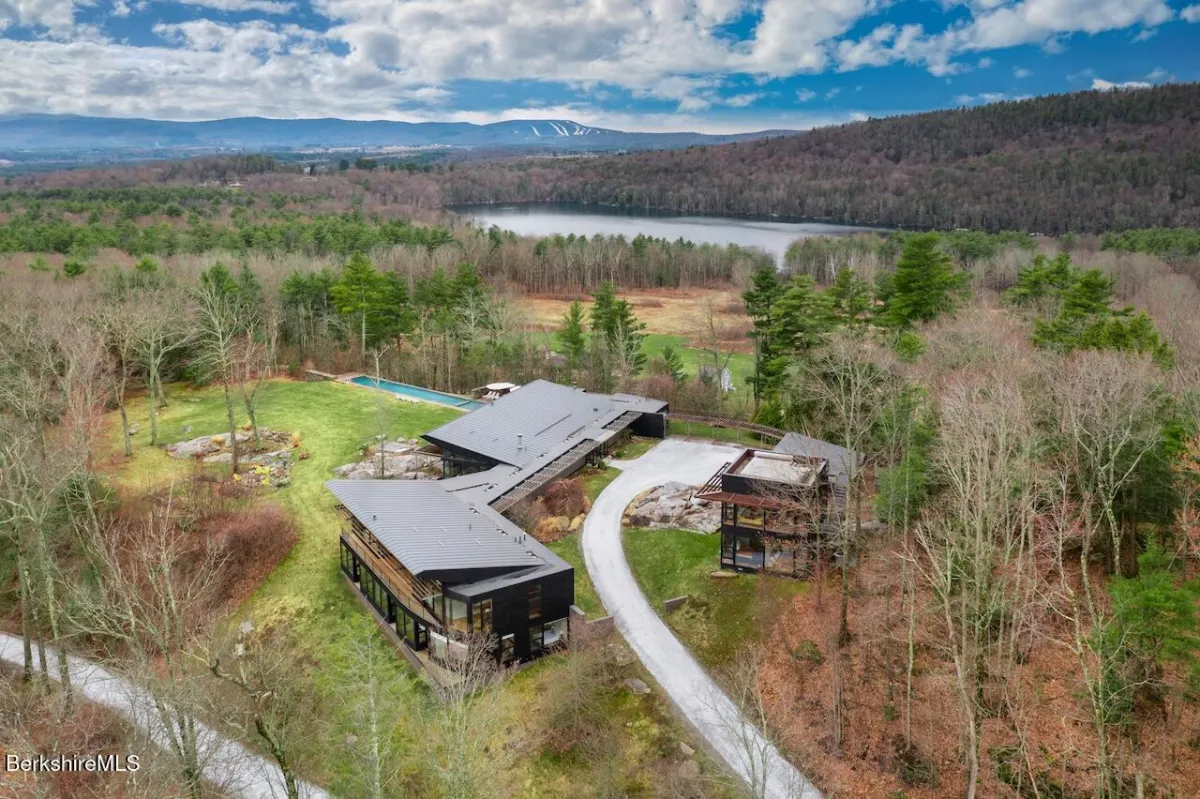
The geographic markets attracting these buyers include the Litchfield Hills, Hudson Valley, and Southern Berkshires—areas within two to three hours of major cities like New York and Boston. These regions offer four-season character, established schools, and cultural infrastructure. Properties like 250 Long Pond Road in Great Barrington, Massachusetts, exemplify the kind of generational estate that draws this buyer.
Notably, families relocating from California, particularly from the Bay Area and Napa and Sonoma counties, are driving interest. Wildfire risk and high insurance costs in California make Northeast properties attractive. These buyers are often surprised by the community depth, including prep school networks like Hotchkiss and Berkshire School, which add educational infrastructure.
Real estate professionals serving this market must be deeply embedded in their communities, understanding conservation restrictions and agricultural programs. They also maintain relationships with attorneys and contractors to address complex questions. While multi-generational transactions take longer and involve more stakeholders, these buyers tend to stay and return when making future decisions.
Morris’s firm, founded in 1987, specializes in significant country estates, historic farms, and conservation properties. This trend reflects a broader recalibration of family proximity, with land that supports productive use becoming a key consideration.