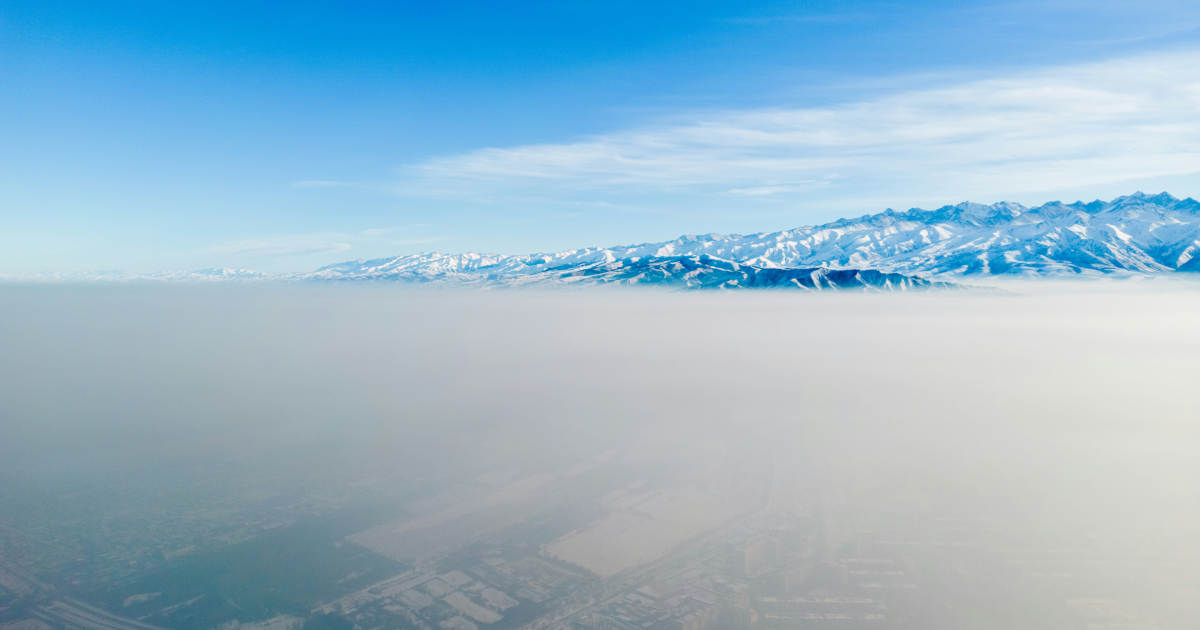
Greenland Energy (NASDAQ: GLND) is advancing exploration at the Jameson Project in East Greenland, positioning itself at the intersection of the Arctic's emerging economic opportunities. As Greenland seeks to reduce dependence on external financial support and build long-term prosperity, projects like Jameson highlight the role of responsible resource development in supporting job creation, infrastructure development, and revenue generation. The company is focused on unlocking economic opportunities that align with Greenland's broader vision of greater economic independence.
The Jameson Project targets one of Greenland's most prospective yet historically underexplored resource regions. Despite significant natural resource potential, much of Greenland's resource base remains underexplored compared to other global energy-producing regions. Advances in exploration technology and growing interest in Arctic resources have renewed attention on the area. Greenland Energy's efforts could contribute to the country's economic diversification and reduce its reliance on annual subsidies from Denmark.
However, the project faces substantial risks. According to the company's filings, the Jameson Basin has never produced a commercial discovery despite decades of study dating back to the 1970s. A 2008 USGS report indicated less than a 10% chance of containing a technically recoverable hydrocarbon accumulation. Drilling in the remote Arctic location presents extreme challenges, including harsh weather, limited daylight, no existing infrastructure, and seasonal access windows. Estimated well costs are $40 million for the first well and $20 million for subsequent wells.
Regulatory and political uncertainties also loom. Greenland imposed a drilling moratorium in 2021, though existing licenses are grandfathered. Geopolitical tensions, including U.S. interest in acquiring Greenland and internal independence movements, could affect operations. The company must obtain Environmental Impact Assessment approval and Field Activities Application approval from Greenlandic authorities before drilling. Failure to meet drilling milestones could result in forfeiture of the company's right to earn working interests.
Financially, Greenland Energy faces significant capital requirements and substantial doubt about its ability to continue as a going concern without additional financing. Commodity price volatility and the long development timeline—unlike short-cycle shale projects—add further risk. The global energy transition, driven by electric vehicle adoption and renewable energy policies, could reduce long-term demand for oil.
Despite these challenges, the Jameson Project represents a potential catalyst for Greenland's economic self-sufficiency. For the latest updates, readers can visit NewMediaWire for the full press release. Forward-looking statements are subject to risks detailed in the company's SEC filings, including the Prospectus filed on April 29, 2026. For more information, see the IBN disclaimer.