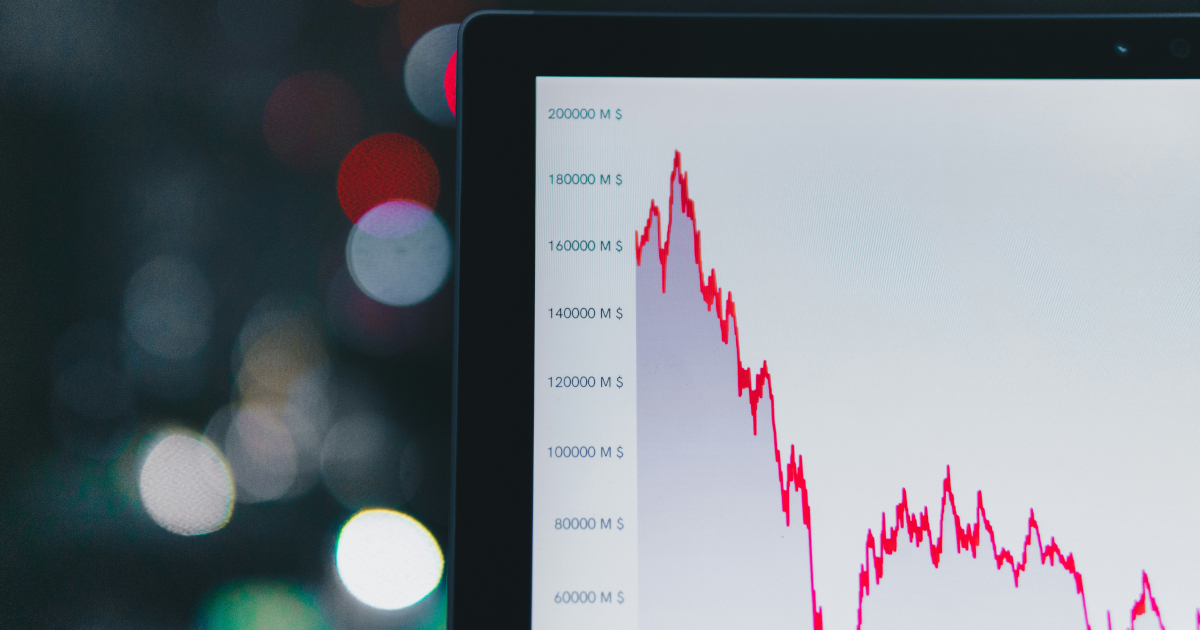
Gold has flashed a fresh technical warning after climbing above $4,750 an ounce, as the latest surge indicates that the market's momentum could be reaching stretched levels. Although the metal's overall recovery remains strong, the rapid pace of gains has made the outlook more challenging for investors. This development is critical for market participants because it signals that the bullish run may be overextended, prompting caution in the near term.
The technical warning comes as gold's price action shows signs of overheating. Analysts often view such signals as a precursor to a pullback or consolidation phase, especially after a sharp upward move. For investors, this means that the current entry points may carry higher risk, as the potential for a short-term correction increases. The metal's ability to sustain its gains will depend on whether it can hold above key support levels, which, if breached, could trigger another wave of profit-taking.
Conversely, if the metal struggles to hold its recent gains and begins moving back toward established support levels, investors could see increased volatility. This scenario is particularly relevant for stakeholders in the mining sector, such as Platinum Group Metals Ltd. (NYSE American: PLG) (TSX: PTM), whose fortunes are closely tied to precious metals prices. For these companies, a pullback in gold could affect their stock valuations and operational outlook, especially if they rely on sustained high prices to justify expansion or financing activities.
The current setup is best viewed as a balance between improving bullish momentum and increasing risk. While the long-term recovery narrative remains intact, the short-term technicals suggest that investors should exercise prudence. This is not a signal to abandon gold, but rather a reminder that markets do not move in straight lines. Periods of rapid appreciation are often followed by corrections, and being prepared for that possibility is essential for risk management.
For those considering new positions, it may be wise to wait for a clearer technical signal, such as a pullback to a support level or a consolidation pattern, before committing capital. Alternatively, existing holders might consider taking partial profits to lock in gains, while maintaining a core position for the long term. The key is to avoid chasing the market at these levels, as the risk-reward ratio has become less favorable.
In the broader context, gold's performance remains a barometer for investor sentiment and economic uncertainty. The recent rally has been driven by factors such as central bank buying, geopolitical tensions, and expectations of monetary policy easing. However, these same factors can shift quickly, and the technical warning serves as a reminder that sentiment can change just as fast. Investors should stay informed and adjust their strategies accordingly, keeping an eye on both price action and macroeconomic indicators.
For mining companies, the current environment presents both opportunities and challenges. High gold prices generally boost profitability and cash flow, but they also raise expectations for future performance. If prices correct, companies with higher production costs may feel the squeeze, while those with lower costs and strong balance sheets could weather the storm. Thus, the technical warning is not just a trading signal but also a fundamental consideration for the sector.
As the market digests this development, all eyes will be on gold's next move. Whether it breaks higher or retreats will likely set the tone for the precious metals complex in the coming weeks. Investors and stakeholders alike should monitor key levels and remain flexible in their approach. Ultimately, the goal is to navigate the volatility while capitalizing on the long-term trends that continue to support gold's role as a store of value.