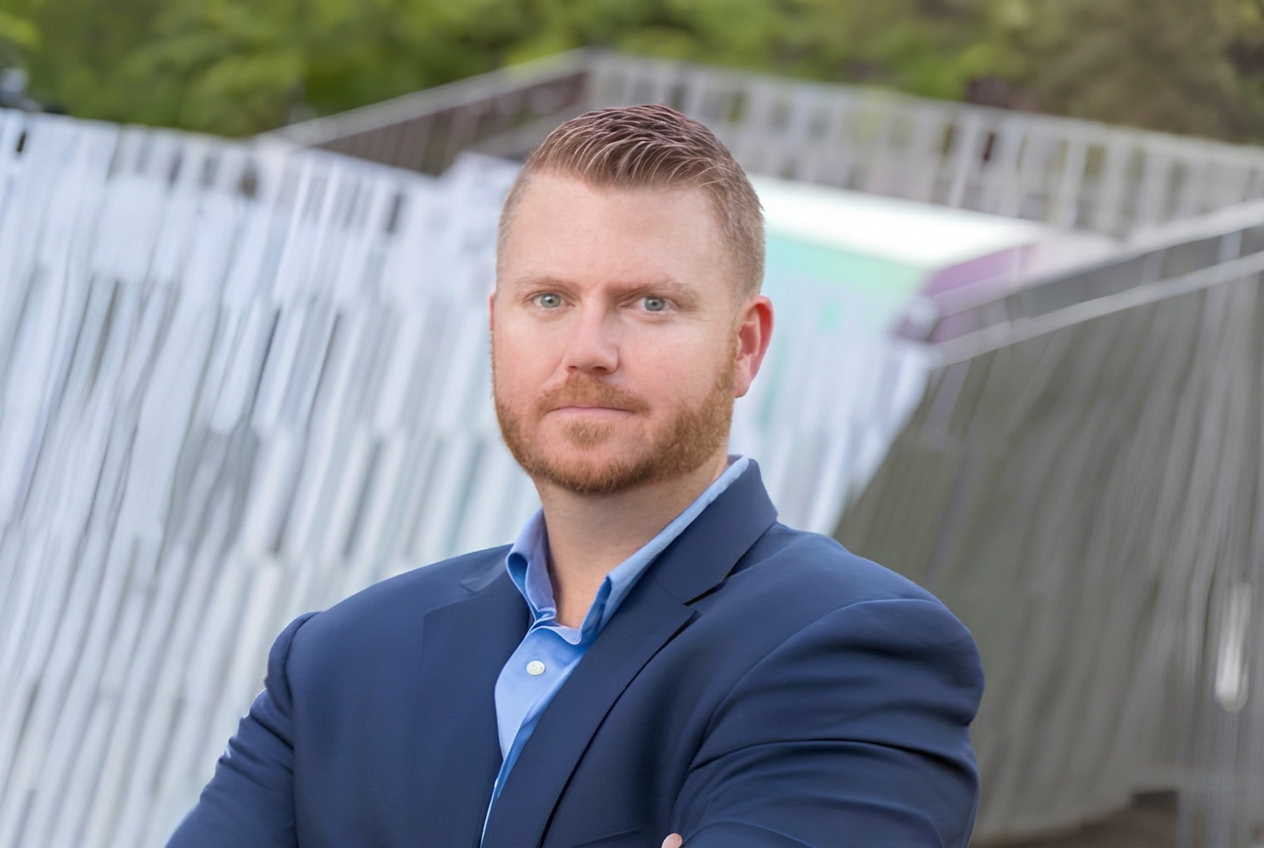
A new community investment model is tackling the financial knowledge gap that keeps an estimated 100 million American renters from transitioning to homeownership. Steven Libman, founder of Investing With Purpose™, has spent 15 years in multifamily real estate developing a faith-driven approach where financial literacy is a core service for residents. The model is currently operational at a 418-unit property in Lubbock, Texas, owned by Integrity Holdings Group (IHG), a firm Libman co-founded.
The wealth gap between homeowners and renters is stark. According to data cited by Libman, the average U.S. homeowner has a net worth exceeding $350,000, while the average renter's net worth is around $10,500. This disparity, he argues, is not primarily about income but about a lack of knowledge, access, and compounding decisions made without proper information. "We have done a really good job of reconciling our giving and our philanthropy to our core values," Libman says. "But when it comes to our investments, we outsource our conscience and our thinking to someone else."
The Lubbock property runs a financial literacy program in partnership with Dave Ramsey's Financial Peace University, delivered by on-site ministry coordinators. The free program covers debt reduction, credit building, and savings strategies. What sets it apart is the pathway to ownership: the 418-unit community consists of individually deeded duplexes, and residents who complete the program and meet qualifying milestones can purchase their unit. Partnerships with local credit unions and banks facilitate this transition, turning tenants into homeowners and, in some cases, landlords. "Maybe the single mom who thought she would be renting forever is, two years later, a landlord," Libman says. "That changes the trajectory for her and her kids."
The model is not just philanthropy; it produces measurable business benefits. Retention data from properties running similar community engagement programs show that residents with strong social ties are 45 to 50 percent less likely to move out, and lease attrition drops by 40 to 50 percent. Lower turnover reduces costs and stabilizes income, making the financial literacy program an investment in asset stability. "Where people live affects almost everything their life touches," Libman notes. "The communities they are building, the people they are with, if we can impact somebody's life inside a community, and then you see the butterfly effect of that, it is immeasurable."
Beyond financial literacy, Investing With Purpose is developing summer tutoring and kids' programming to address learning gaps for children in multifamily housing during school breaks. The framework is replicable across the firm's growing portfolio. More information on the Asset Ministry Program and the firm's community investment model is available at investingwithpurpose.org/impact. The broader question the model raises is what responsibility operators have to residents beyond maintenance and lease compliance. For Libman, the answer is clear: meeting real needs builds genuine connection and creates environments where people want to stay.