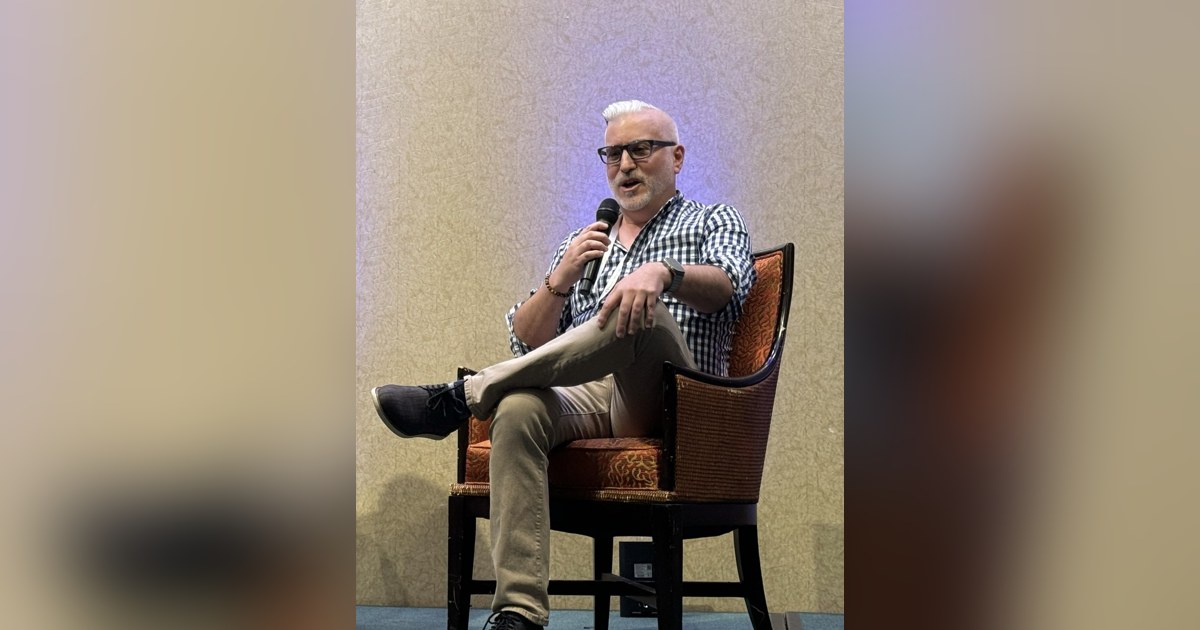
Daniel Kaufman, founder of the permanent capital holding company Kaufman & Company, will speak at the Global Family Office Investment Summit in Miami on Oct. 15 to 16, where he will argue that family office capital is uniquely positioned to address the shortage of housing in American communities. Kaufman's appearance comes weeks after Citi Wealth released its 2026 Global Family Office Report, a survey of roughly 350 family offices across more than 40 countries, which provides fresh evidence of how family offices are allocating capital and why their investment behavior differs from institutional funds.
The Citi report found that direct real estate makes up about 10% of the average family office portfolio worldwide and 13% in North America, the highest share of any region. Nearly a third of North American respondents said they plan to increase their real estate holdings. The report also noted that 75% of respondents invest directly in companies, and that public equities became the top destination for new capital this year. Those findings suggest that family offices, while increasing their public market exposure, continue to prioritize direct ownership of tangible assets, particularly real estate.
For Kaufman, the data confirms that family offices are not chasing short-term market trends but are instead building long-term holdings. "Family office capital is patient by design, and real estate rewards patience more than almost any other asset," Kaufman said. "The Citi numbers tell me families are not chasing the market; they are owning what they can see and manage. The question I want to put in front of the room in Miami is whether that capital is going where the country needs buildings most, which is housing for the people who work in these communities."
Kaufman said the advantage of a family office is time, not size. "We invest only our own capital, so every project has to stand on its own merit without a fund deadline pushing it," he said. "That freedom is the real edge a family office has. It lets you buy land when others are selling, wait out an entitlement process, and build workforce housing that a fund chasing fees would pass on. I would like to see more families use it that way."
Kaufman & Company invests only its own capital and does not raise outside funds. On Oct. 3, the company launched BUILD 2030, a strategy that brings its housing, construction, technology and AI infrastructure businesses under one national development platform. Its operating companies include DEK Builds, an integrated design, build, development and investment firm working across mountain resorts, hotels and commercial construction. LandBriefing, a Kaufman Ventures platform, tracks land and housing fundamentals across U.S. markets. The platform represents more than $2 billion in project value and more than 10,000 housing units across more than 25 years of building, lending, and investing.
The implications of Kaufman's message extend beyond the summit stage. As family offices across North America weigh whether to increase real estate allocations, the Citi data shows they already lead globally in direct property ownership. That capital, if directed toward workforce housing, could help fill a persistent gap in affordable homes for workers. Unlike institutional funds that operate on fixed timelines and fee structures, family offices can hold land through entitlement processes and economic cycles, potentially making projects viable that would otherwise be abandoned. Kaufman's call to action in Miami is therefore less about a single investment strategy and more about how an entire class of patient capital chooses to deploy its advantage. With nearly a third of North American family offices planning to add real estate, the decisions made in the coming year could shape housing supply in communities that have long struggled to attract development.