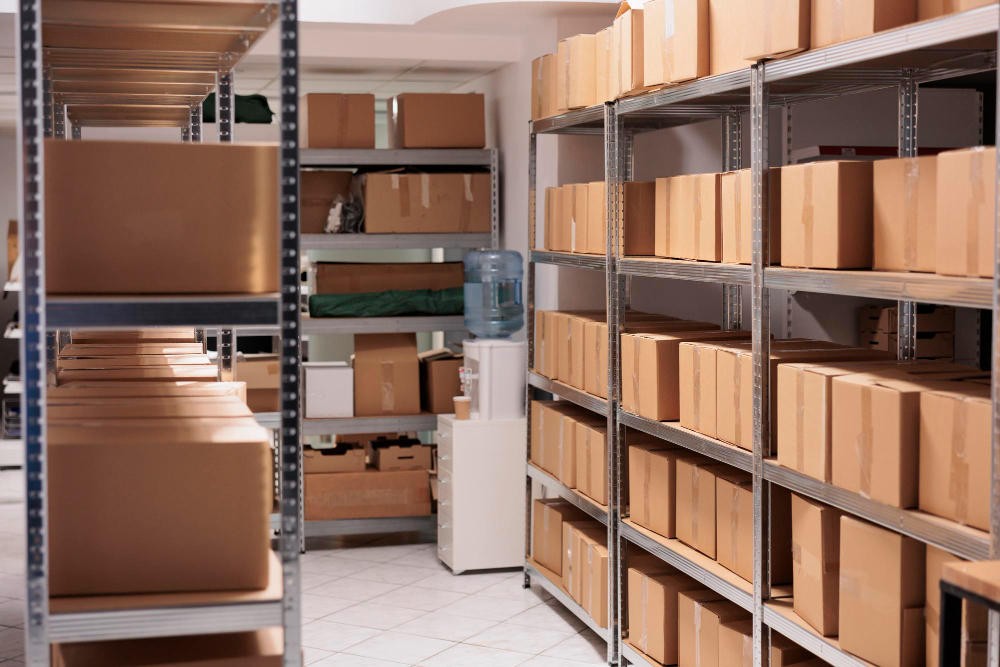
The rise of e-commerce and hybrid work models is prompting small businesses across the United States to seek flexible storage solutions. According to US Storage Units, a nationwide storage directory, entrepreneurs are increasingly using self storage to manage inventory, equipment, and documents outside their primary business locations. This shift is driven by the need to reduce overhead costs and adapt to fluctuating space demands.
Several factors are fueling this trend in 2026, including the growth of e-commerce inventory that outpaces available office or home space, the continued rise of remote work reducing the need for large commercial offices, seasonal fluctuations in inventory, and the need for secure off-site storage of business records. Business owners are now comparing facilities to find options that offer month-to-month flexibility and scale with their needs.
Self storage supports a wide range of business uses. E-commerce sellers store inventory, contractors store equipment, and service providers archive documents. For example, a 5x5 storage unit is suitable for business records and small equipment, while a 5x10 unit can hold inventory pallets or seasonal stock. Larger operations might require a 10x10 unit for substantial inventory or archives, and even larger units are available for bulk storage.
Amenities play a crucial role in storage decisions. Climate-controlled units protect sensitive items like documents and electronics, while 24-hour access provides flexibility for busy business owners. Car storage options cater to those needing to store work vehicles.
US Storage Units offers a directory that allows business owners to compare facilities, evaluate amenities, and reserve units, simplifying the process of finding appropriate storage. By providing detailed listings and transparent pricing, the directory supports informed decisions for businesses of all sizes.