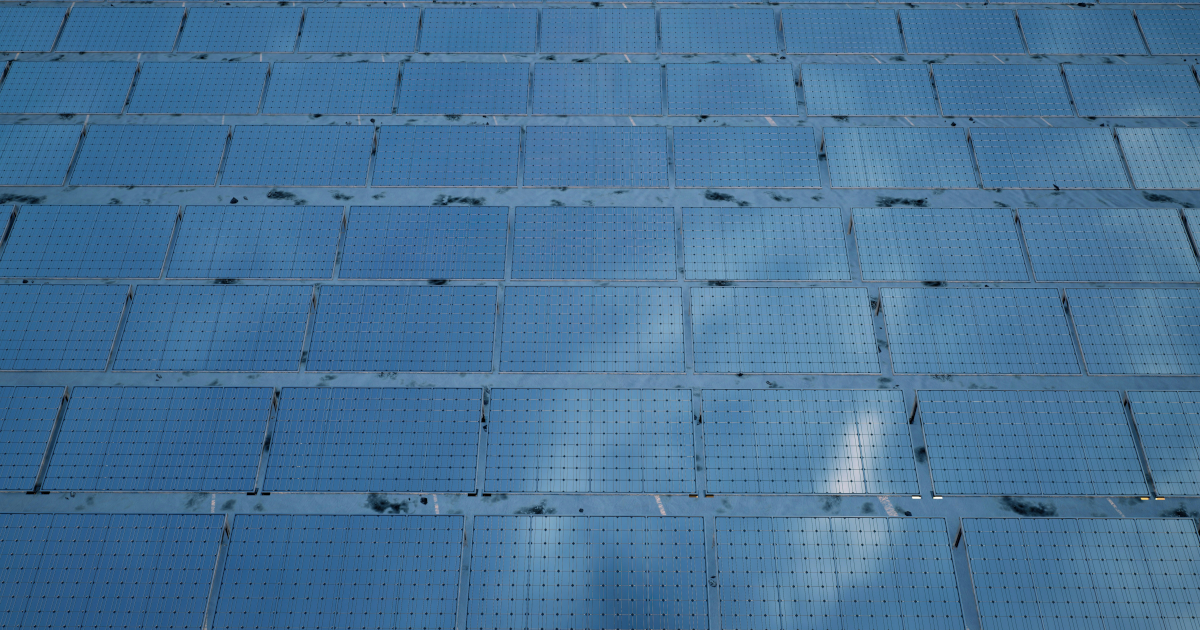
A new partnership between China and Gulf nations is poised to transform the energy landscape of the Global South, combining Chinese technological expertise and construction capacity with Gulf capital and diplomatic influence. This collaboration, rather than being solely an environmental initiative, could serve as a tool for geopolitical power assertion and economic dependency creation, potentially reshaping global energy dynamics.
The United Arab Emirates, a key Gulf partner, is leveraging its financial resources and diplomatic ties to support renewable projects across developing regions. Meanwhile, China is contributing its world-leading manufacturing and infrastructure capabilities, particularly in solar, wind, and hydropower. This synergy aims to accelerate the transition away from fossil fuels in countries that have historically lagged in clean energy adoption.
For North American companies like GeoSolar Technologies Inc., these developments signal substantial market opportunities in the Global South. As noted in the announcement, the region could present a massive demand for solar technologies, energy storage, and grid modernization solutions. Companies with expertise in these areas may find new avenues for growth as developing nations seek to build sustainable energy systems.
The alliance between China and Gulf states also highlights the shifting centers of influence in the global energy sector. Traditionally dominated by Western nations, the renewable energy market is now seeing increased participation from emerging economies. This trend could lead to a more fragmented but also more competitive landscape, with multiple players vying for contracts and partnerships in the Global South.
Critics, however, warn that the partnership may create new dependencies, as recipient countries become reliant on Chinese technology and Gulf financing. The long-term implications for energy sovereignty and economic independence remain uncertain. Nonetheless, the immediate impact is likely to be a surge in renewable energy capacity in regions that need it most, from sub-Saharan Africa to Southeast Asia.
The collaboration is also expected to drive down costs for renewable technologies, making them more accessible to low-income countries. By combining mass production capabilities with strategic investment, China and Gulf nations could help bridge the energy access gap that currently leaves hundreds of millions without reliable electricity.
For a deeper dive into the market implications, visit GreenEnergyStocks.com for more insights. The site provides comprehensive coverage of companies shaping the green economy, including GeoSolar Technologies and other innovators. Additionally, full terms of use and disclaimers are available at this link.
As the global energy transition accelerates, the China-Gulf partnership stands as a pivotal development, with the potential to redefine how renewable energy is deployed in the developing world. Its success or failure will have lasting consequences for both the environment and international power structures.