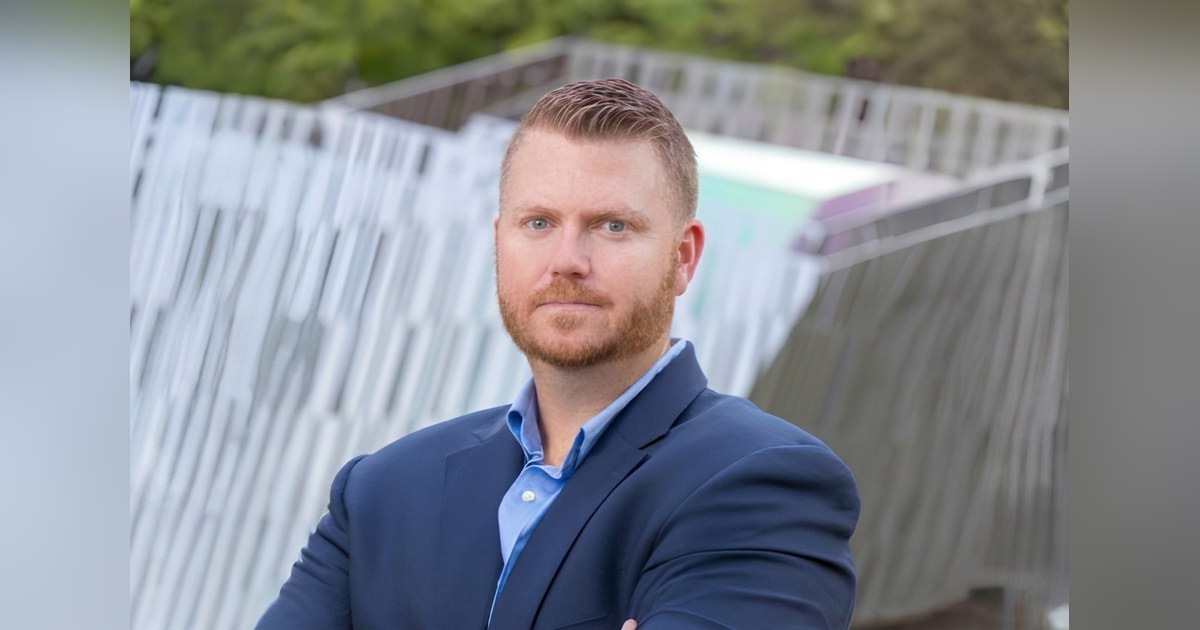
For decades, the phrase “faith-based investing” has functioned mostly as a filter. Avoid tobacco. Avoid adult entertainment. Avoid alcohol. Put a Christian label on a mutual fund that holds the same 200 large-cap companies as every other ESG product, and call it values-aligned. That, according to Steven Libman, founder of Investing With Purpose™, is the industry’s defining failure.
“The definition that the industry has been operating under for the last 30 years is a lazy one,” says Libman, who, after 15 years in the industry, has recently built a multifamily real estate investment platform explicitly structured around faith-driven principles. “Screening is the floor. Building intentionally would be the ceiling.”
The distinction matters. In an investment landscape where capital allocation increasingly reflects values, the gap between genuine alignment and surface-level compliance is widening. Investors who cannot tell the difference are, Libman argues, outsourcing their conscience to people who may not share their priorities.
Every dollar is a vote. The core premise behind intentional faith-based investing is straightforward: capital goes somewhere, and where it goes signals something. Whether you are invested in a multifamily property, a bond fund, or a private equity vehicle, those dollars are funding something. The question Libman puts to prospective investors is simple but disorienting: if your grandchildren inherited your portfolio tomorrow, what would they know about what you believed in?
“A question I asked at an event recently was, if you turned your portfolio over to your pastor, is there anything in there you might feel embarrassed about?” he says. “It is not to convict anyone. It is to get people thinking in a different way, because we have not been taught to think this way.”
The cautionary tale is the ESG sector. Environmental, social, and governance funds marketed themselves through the 2010s on the promise of impact investing. They attracted significant capital and generated considerable coverage. They also, in aggregate, delivered weak returns. “ESG put a dagger in the heart of values-aligned investing,” says Libman. “They were saying, you are going to get lower returns, but we will make an impact. In fact, they were not making an impact, and they were not making a return either.”
Operators who have built genuine values alignment into their structure – not as a label but as an operating philosophy – have found that strong performance and principled investing are not in conflict. The specific mechanism through which Investing With Purpose generates community outcomes is an on-site asset ministry program embedded in the multifamily properties. Free apartments are provided to on-site ministry staff, who run tenant engagement programming – movie nights, farmers markets, and hospital visits for residents in need.
“Ministry is the moat around the investment,” he says. “When people say impact is going to decrease returns, we think the opposite is true. Caring is a durable business advantage, not a disadvantage.” The faith dimension is present but not imposed; tenant engagement is service-first. One practical measure of genuine alignment is reporting: Libman’s firm sends investors not only financial KPIs but also a ministry impact report tracking community connections and acts of care. Investors are also invited on-site quarterly for serve days.
“Unlike your Wall Street investments, you can drive by it, touch it, feel it, actually see the impact that we are making, and actually be a part of that impact as well,” says Libman. For investors, the entry point is often a straightforward appreciation of real estate as an asset class. “We want to define it as, what are we building? Every dollar that you invest is a vote for something. So when you deploy your capital, it is either going to build something you are aligned with or something that might be in conflict with your own values.”
In an era where investors are increasingly asking harder questions about where their money goes, that framing is less niche than it might have seemed a decade ago.