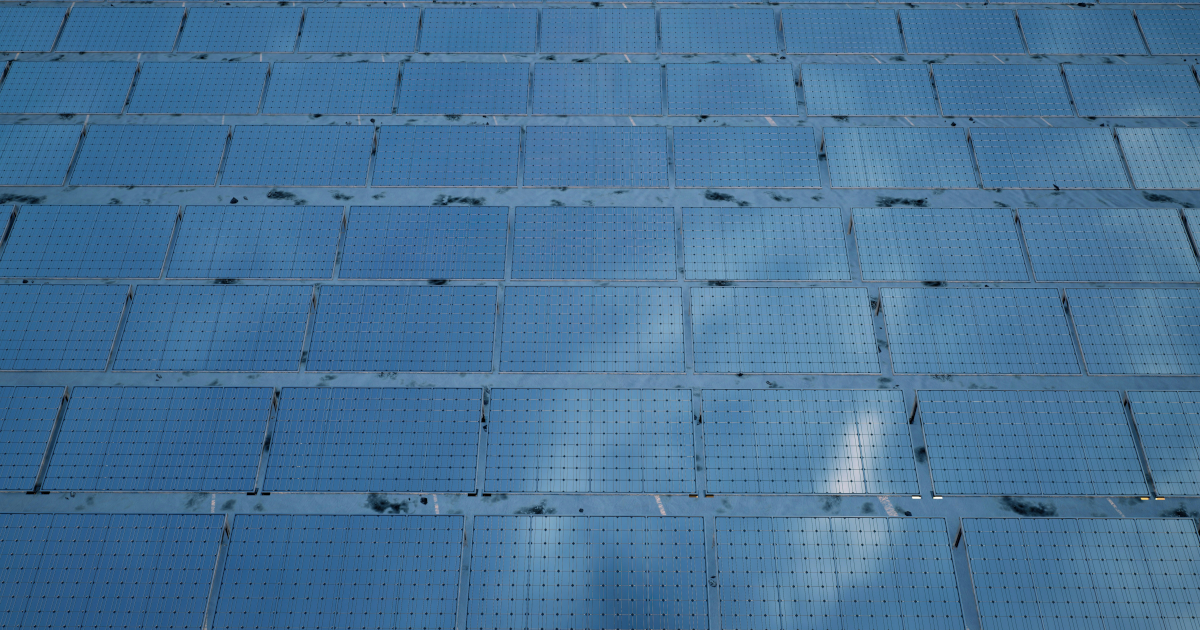
Rooftop solar panels, long heralded as a key solution for residential renewable energy, remain out of reach for the vast majority of American households. Only 5% to 7% of homes have adopted the technology, hindered by high installation costs, building constraints, and landlord restrictions. However, a smaller-scale alternative known as plug-in or balcony solar is emerging as a more accessible option, allowing homeowners and renters alike to generate their own electricity without the significant upfront investment or structural modifications required for traditional rooftop systems.
Balcony solar systems typically consist of one or two photovoltaic panels that can be mounted on a balcony railing or placed on a patio, connected directly to a standard household outlet via a microinverter. These systems are designed to be plug-and-play, enabling users to install them without professional assistance or complex wiring. By feeding power directly into the home's electrical grid, they can offset a portion of electricity consumption, reducing monthly utility bills. While the energy output is modest compared to a full rooftop array—often enough to power a few appliances or charge devices—the lower cost and ease of installation make solar energy feasible for a broader demographic, including apartment dwellers and those who rent their homes.
The potential market for balcony solar is substantial. According to the National Multifamily Housing Council, approximately 36% of U.S. households are renters, and many live in multi-unit buildings where rooftop solar is impractical due to shared roof space, structural issues, or landlord reluctance. Even among homeowners, factors such as shaded roofs, historic district restrictions, or financial constraints prevent many from adopting traditional solar. Plug-in systems bypass these barriers, offering a decentralized approach to energy generation. As more families acquire these systems, solar energy companies like GeoSolar Technologies Inc. could develop variations tailored to different household sizes and energy needs, further driving adoption.
The implications of this shift extend beyond individual savings. Widespread adoption of balcony solar could reduce strain on the electrical grid during peak demand, lower carbon emissions, and increase energy resilience. For renters, it provides a degree of energy independence previously unavailable, allowing them to benefit from renewable energy even without ownership of their living space. However, challenges remain. Some utility companies have raised concerns about safety and grid stability, and regulations vary by location. In some jurisdictions, plug-in solar systems may not be explicitly permitted, or they may require utility approval. Advocates argue that clear guidelines and standardized equipment can mitigate risks, making balcony solar a viable complement to traditional rooftop installations.
As the renewable energy landscape evolves, balcony solar represents an incremental but significant step toward democratizing access to clean power. For millions of Americans currently excluded from the rooftop solar market, these compact systems offer a tangible way to participate in the energy transition. The growth of this segment will depend on continued innovation, supportive policies, and consumer education. Companies like GeoSolar Technologies Inc. are poised to play a role in this expansion, potentially introducing products that cater to diverse living situations. For more information on the green energy sector, visit GreenEnergyStocks.